
How to Coordinate Bridesmaid Dresses Without Making Everyone Match
A coordinated bridal party can feel intentional without placing everyone in the same silhouette. The secret is to define a few firm boundaries and leave the rest flexible.
There is no single correct answer for everyone. The goal is to understand the visual effect, test it against real plans and choose with enough time to make thoughtful adjustments.
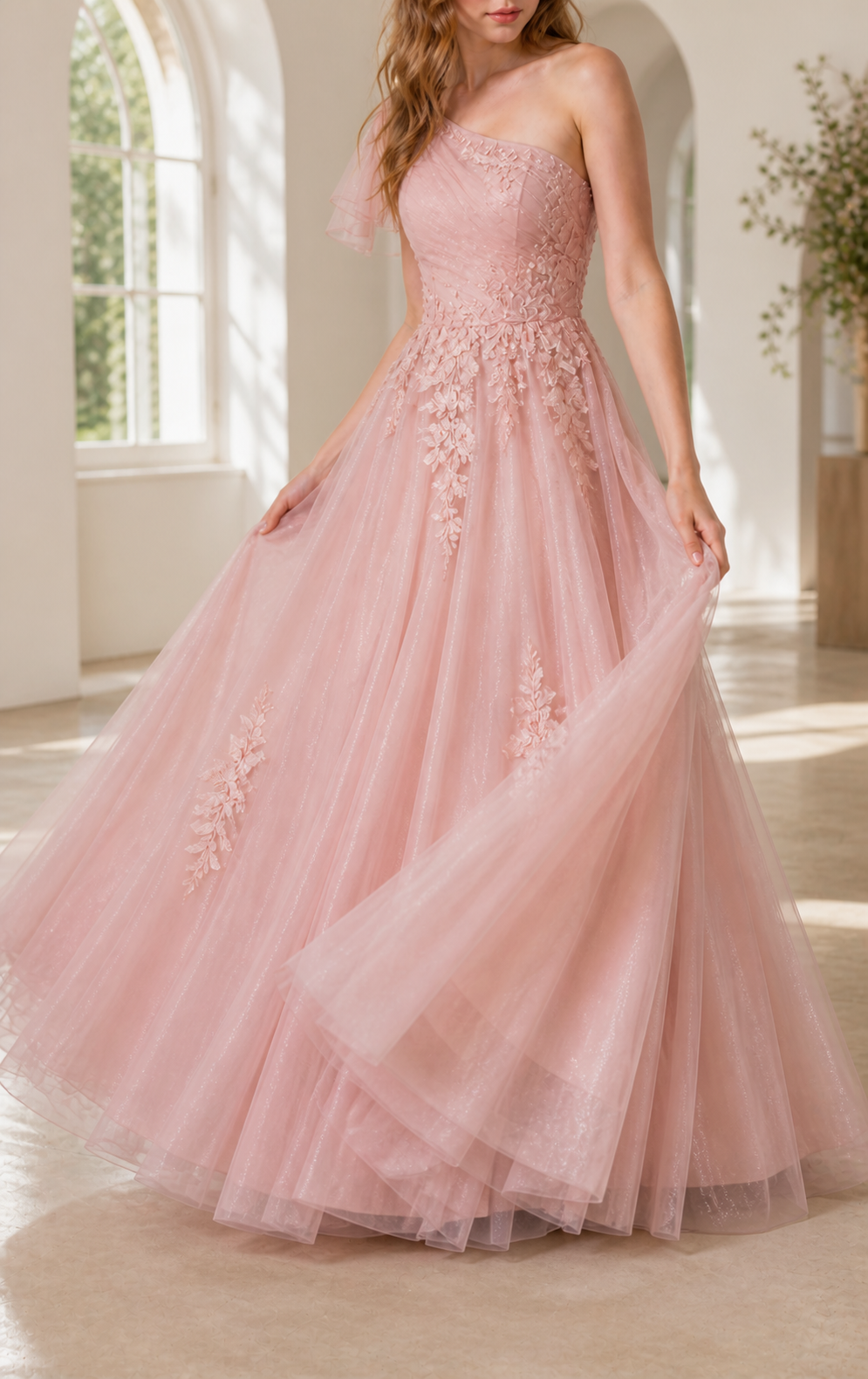
Start with the main options
one shared color
one shared color creates the clearest visual anchor while allowing neckline variation. Look at the entire dress rather than isolating one feature: proportion, fabric, color and construction change how this choice reads. Save more than one reference image so you can compare the idea across different silhouettes.
a narrow tonal palette
a narrow tonal palette adds depth when undertones and fabric behavior are controlled. Look at the entire dress rather than isolating one feature: proportion, fabric, color and construction change how this choice reads. Save more than one reference image so you can compare the idea across different silhouettes.
one shared fabric
one shared fabric keeps light reflection consistent across different silhouettes. Look at the entire dress rather than isolating one feature: proportion, fabric, color and construction change how this choice reads. Save more than one reference image so you can compare the idea across different silhouettes.
one hem length
one hem length creates a strong group line even when colors or necklines vary. Look at the entire dress rather than isolating one feature: proportion, fabric, color and construction change how this choice reads. Save more than one reference image so you can compare the idea across different silhouettes.
What matters beyond appearance
1. Consider which element will remain fixed. Write down what matters to you before browsing. A clear priority helps you compare product photographs and descriptions consistently, and it makes it easier to recognize when a beautiful option does not actually fit the needs of the event.
2. Consider how many variables are allowed to change. Write down what matters to you before browsing. A clear priority helps you compare product photographs and descriptions consistently, and it makes it easier to recognize when a beautiful option does not actually fit the needs of the event.
3. Consider individual coverage and support preferences. Write down what matters to you before browsing. A clear priority helps you compare product photographs and descriptions consistently, and it makes it easier to recognize when a beautiful option does not actually fit the needs of the event.
4. Consider a shared visual review before ordering. Write down what matters to you before browsing. A clear priority helps you compare product photographs and descriptions consistently, and it makes it easier to recognize when a beautiful option does not actually fit the needs of the event.
How to make the final decision
Reduce your shortlist to two or three realistic choices, then compare them under the same conditions. Review front, side and back images; read the fabric and construction details; and imagine the full event from arrival through the final dance. If two options are equally beautiful, choose the one that asks less of you physically and practically. Confidence often comes from eliminating small sources of discomfort rather than discovering one magical rule.
When shopping online, use the product-specific size chart and garment details instead of relying on your usual label. Screen color, model height and studio lighting can affect perception, so treat photographs as useful evidence rather than a perfect substitute for measurements. Keep delivery and alteration time in the plan.
A simple at-home comparison
Create a small mood board with the venue, event lighting, footwear and two accessory ideas. Place each candidate beside that board. The option that belongs naturally in the complete picture will usually become easier to see. This exercise also prevents one dramatic close-up detail from outweighing comfort, dress code and the overall tone.
Questions to ask before ordering
Can you move comfortably? Does the level of formality suit the invitation and setting? Have you checked the listed measurements, fabric, lining and care instructions? Is there enough time for processing, delivery and any needed alterations? Clear answers turn inspiration into a practical purchase decision.
Common mistakes to avoid
- Avoid varying color, fabric, length and formality at once. Pause, check the product information and compare the decision with your original priorities before ordering.
- Avoid offering choice without boundaries. Pause, check the product information and compare the decision with your original priorities before ordering.
- Avoid approving styles only after orders are placed. Pause, check the product information and compare the decision with your original priorities before ordering.
None of these points should make shopping feel rigid. They are simply tools for separating a short-lived first impression from a choice that will still feel right during the actual event.
Quick checklist
- Set one visual anchor
- Limit changing elements
- Offer fit-friendly options
- Approve exact styles early
Explore special-occasion style at Catacysm. For product or order questions, please contact us.